Low Emissivity Ceramic Coating

Investigating Low E Coating Technology For Glass

Investigating Low E Coating Technology For Glass

Products Low Glass E Asymetric Glass
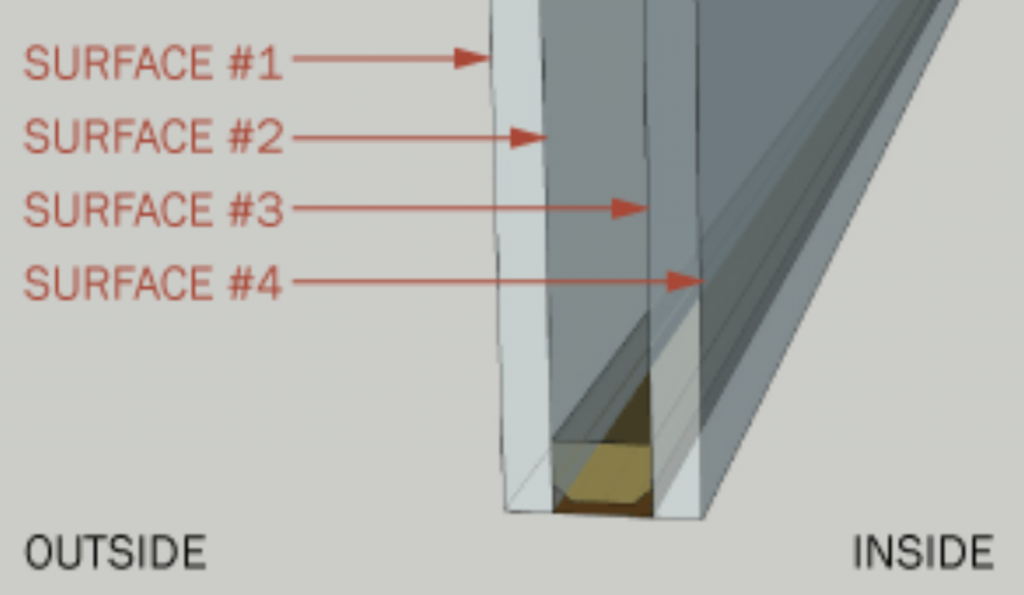
Products Low Glass E Asymetric Glass

Do You Have Low E Windows Here Is A Quick Way To Find Out

Do You Have Low E Windows Here Is A Quick Way To Find Out

Tinted Glass Vs Low E Glass

Tinted Glass Vs Low E Glass

Emissivity An Overview Sciencedirect Topics

Emissivity An Overview Sciencedirect Topics

The Real Truth About Ceramic Coatings

The Real Truth About Ceramic Coatings

The Real Truth About Ceramic Coatings

Coating to control thermal radiation with solar absorbance and emittance applications.

Low emissivity ceramic coating.

When justifying the additional cost it is natural to ask how exactly this invisible coating is going to help save energy and increase comfort and what are the key factors to be aware of when choosing them. When the interior heat energy tries to. Used to control ir reflectance on aluminum. The performance of low emissivity coatings requires the use of large tir suppressing pigments when compared with conventional colored pigments that would not normally be used for conventional coatings.

This is where low emissivity or low e glass coatings come into play. The first being the solar region short wavelength radiation emitted from sun and the other being the room temperature region long wavelength radiation. Thus the coarse particle test described in 85285e is not applicable for low emissivity coatings. Main coatings and glazing options that best suit australian conditions.

Low e glass has a microscopically thin transparent coating it is much thinner than a human hair that reflects long wave infrared energy or heat. Some low e s also reflect significant amounts of short wave solar infrared energy. Low emissivity coatings essentially work by interacting with radiation in the two regions that windows are exposed to. Low weight less than 0 001 gm sq ft lowest emissivity available in a spray on lo mit ii max 0 145 high temperature tolerance to 1000 f 538 c excellent adhesion and flexibility even on plastics and rubber.

The lo mit coatings have many unique properties that make them ideal for a wide variety of industrial applications.

Top Design Considerations

Top Design Considerations

A Review Of High Temperature Selective Absorbing Coatings For Solar Thermal Applications Sciencedirect
A Review Of High Temperature Selective Absorbing Coatings For Solar Thermal Applications Sciencedirect

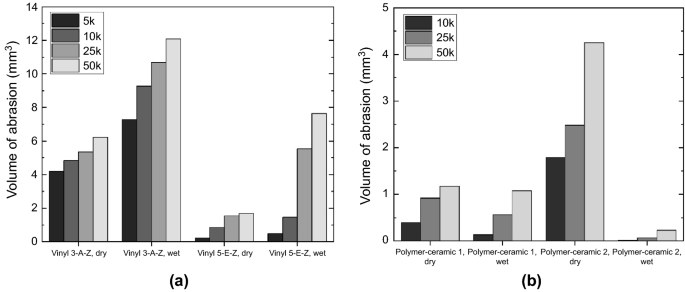
Abrasion Resistance Of Polymer And Polymer Ceramic Composite Coatings For Steel Hydraulic Structures Springerlink

Abrasion Resistance Of Polymer And Polymer Ceramic Composite Coatings For Steel Hydraulic Structures Springerlink

Low E Laminated Insulatingglass Laminate Glass Curved Glass

Low E Laminated Insulatingglass Laminate Glass Curved Glass

Source : pinterest.com