5 6 although many of the patient s clinical features are seen in.
Maternal upd 14.
When all the genes come from the mother this is termed maternal upd sometimes shortened to mupd or updmat.
Isolated imprinting mutation of the dlk1 gtl2 locus associated with a clinical presentation of maternal uniparental disomy of chromosome 14.
He showed short stature obesity mild developmental delay cryptorchidism and some mild dysmorphic features.
After the initial case temple et al 1991 a total of 19 cases have been reported with maternal upd14 see chapter 4.
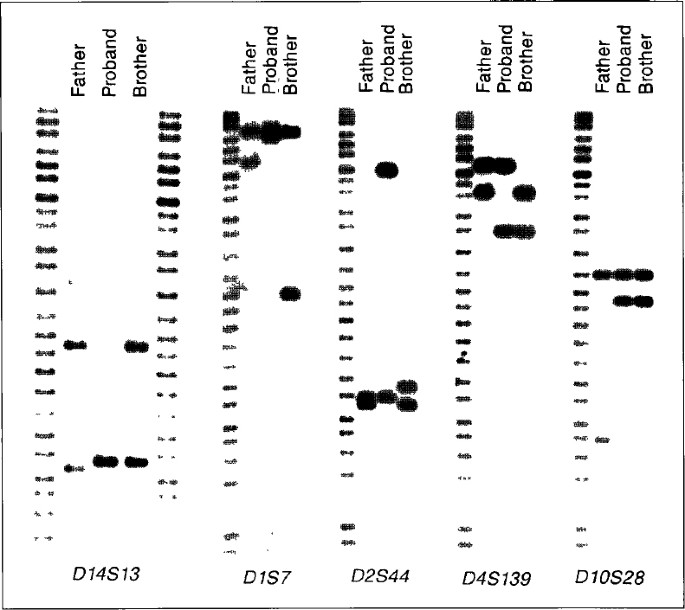
We report on a boy with a maternal uniparental disomy for chromosome 14 upd 14.
Information on genetic changes is a very fast moving field and while the.
Uniparental disomy upd both chromosomes in one of the 23 pairs have come from the same parent.
Presentation of paternal upd 14 kagami syndrome is a thoracic dysplasia syndrome with mental retardation and limited survival.
Whilst paternal upd 7 is clinically unapparent maternal upd 7 is one of several causes of silver russell syndrome.
Since the first reports of temple et al in 1991 a well characterised clinical phenotype has emerged for both maternal uniparental disomy of chromosome 14 upd14.
6 hosoki k ogata t kagami m tanaka t saitoh s.
The history further indicated intrauterine growth retardation at the end of the pregnancy.
Epimutation hypomethylation affecting the chromosome 14q32 2 imprinted region in a girl with upd 14 mat like phenotype.
Maternal upd 14 in the patient with a normal karyotype.
Maternal upd 14 temple syndrome uniparental disomy is the inheritance of both chromosome homologues from one parent with no functional copy from the other.
The result of upd is a duplicate presence of genes from one parent and no input from the other parent.
Families should consult a medically qualified clinician in all matters relating to genetic diagnosis management and health.
Clinical report and a systematic search for cases in samples sent for testing for prader willi syndrome.
Wessex clinical genetics service the princess anne hospital coxford road southampton united kingdom.
Uniparental disomy 14 upd14 this information guide is not a substitute for personal medical advice.
Temple syndrome or maternal uniparental disomy of chromosome 14 is a rare chromosome 14q32 imprinting disorder associated with a characteristic phenotype that includes hypotonia motor delay feeding difficulties early puberty small hands and feet short stature and obesity.
With the publication of the third antonarakis et al 1993 and fourth healey et al 1994 cases of maternal upd 14 it became clear that the recurring signs and symptoms delineated a new syndrome.
J med genet 2007.